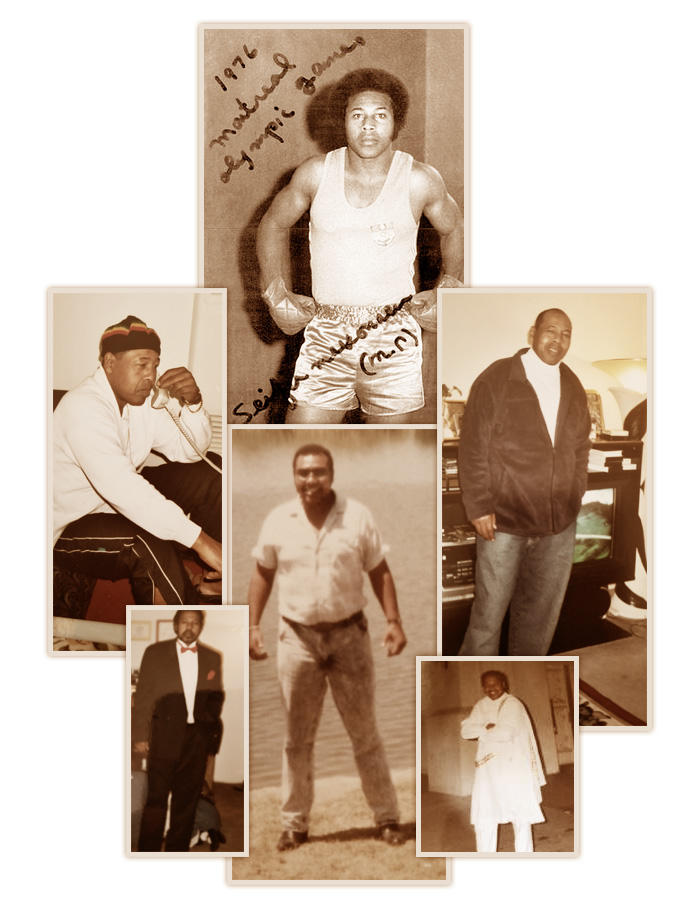
Seifu was born on June 11, 1953, in the Aleltu, Shoa providence of Ethiopia, and he spent his teenage years in Addis Ababa, Ethiopia. By nature, Seifu is humble, quiet, and honest. He likes all sports including boxing and athletics. He always liked to be in places where his communities came together, whether it was the annual soccer tournament or the Sunday church service. From childhood, he was involved in the development of his community and was a mentor for young people to help them stay out of trouble while working at his local Y.M.C.A. Through sports, he traveled to many countries around the world. Seifu represented his native land in two Olympics, and because of this achievement, in the 1970’s, he was honored by many notable African leaders including Emperor Haile Selassie of Ethiopia, Jomo Kenyatta of Kenya, Idi Amin of Uganda and Kenneth Kaunda of Zambia. Seifu has been our greatest source of inspiration and courage. Deep in our hearts we will always keep his image.
Friends & Family Comments
--
Искал информацию по продвижению сайта, и понял, что это довольно сложный процесс. Основная задача — привлечь целевых посетителей, которые будут заинтересованы в услугах или товарах. Для этого необходимо грамотно подходить к выбору инструментов, включая сео продвижение сайта по трафику. Особенно важно найти надежного интернет партнера, который поможет с оптимизацией и продвижением. В моём случае, после того как я начал изучать трафиковое продвижение сайтов https://prodvizhenie-sajta-po-trafiku1.ru, удалось найти несколько эффективных решений. Трафиковое продвижение сайта требует постоянного анализа и корректировки, но результат того стоит. Если вы только начинаете, советую обратить внимание на продвижение по трафику seo — это основа для успешного развития проекта. Главное — не бояться экспериментировать и искать оптимальные подходы.
--
Если вы ищете надежные и проверенные организации, обратитесь к сравнение фирм по банкротству физлиц отзывы, чтобы выбрать подходящую организацию для решения финансовых проблем. «Финансовый Гид» — это компания, которая ценится за оперативность и демократичные расценки на услуги.
--
Современные интерьеры отлично дополнят дизайнерские двухъярусные кровати, обеспечивая комфорт и стильный внешний вид. Современные дизайнеры все чаще выбирают элитные двухъярусные кровати для оформления спальных зон . Эта мебель отлично сочетает в себе функциональность и стиль, создавая уютную атмосферу в любой комнате. Она подходит для тех, кто ценит комфорт и эстетичность в интерьере. Является ли эта кровать идеальным решением для вашего интерьера? Благодаря продуманному дизайну, она позволяет сэкономить место в небольших квартирах и домах. Кроме того, такие кровати обычно изготавливаются из высококачественных материалов, что обеспечивает их долговечность. Создатели элитных двухъярусных кроватей стараются сочетать современный стиль с классикой . Кроме эстетических преимуществ, она обладает высокой степенью безопасности, что особенно важно для детей. Разнообразие материалов и фурнитуры позволяет выбрать кровать, идеально подходящую под любой интерьер. Консультация с дизайнером поможет подобрать наиболее подходящий вариант. Это гарантирует долгий срок службы и сохранение великолепного вида. В целом, такие кровати остаются достойным вложением в комфорт и стиль любой квартиры или дома.
--
Процедура как работает процедура банкротства физических лиц помогает людям избавиться от долговой нагрузки и восстановить финансовое положение. Чтобы не довести дело до банкротства, необходимо следить за финансами и планировать расходы.
--